The Cold Plunge Protocol: Temperature, Time, and Frequency That Actually Work
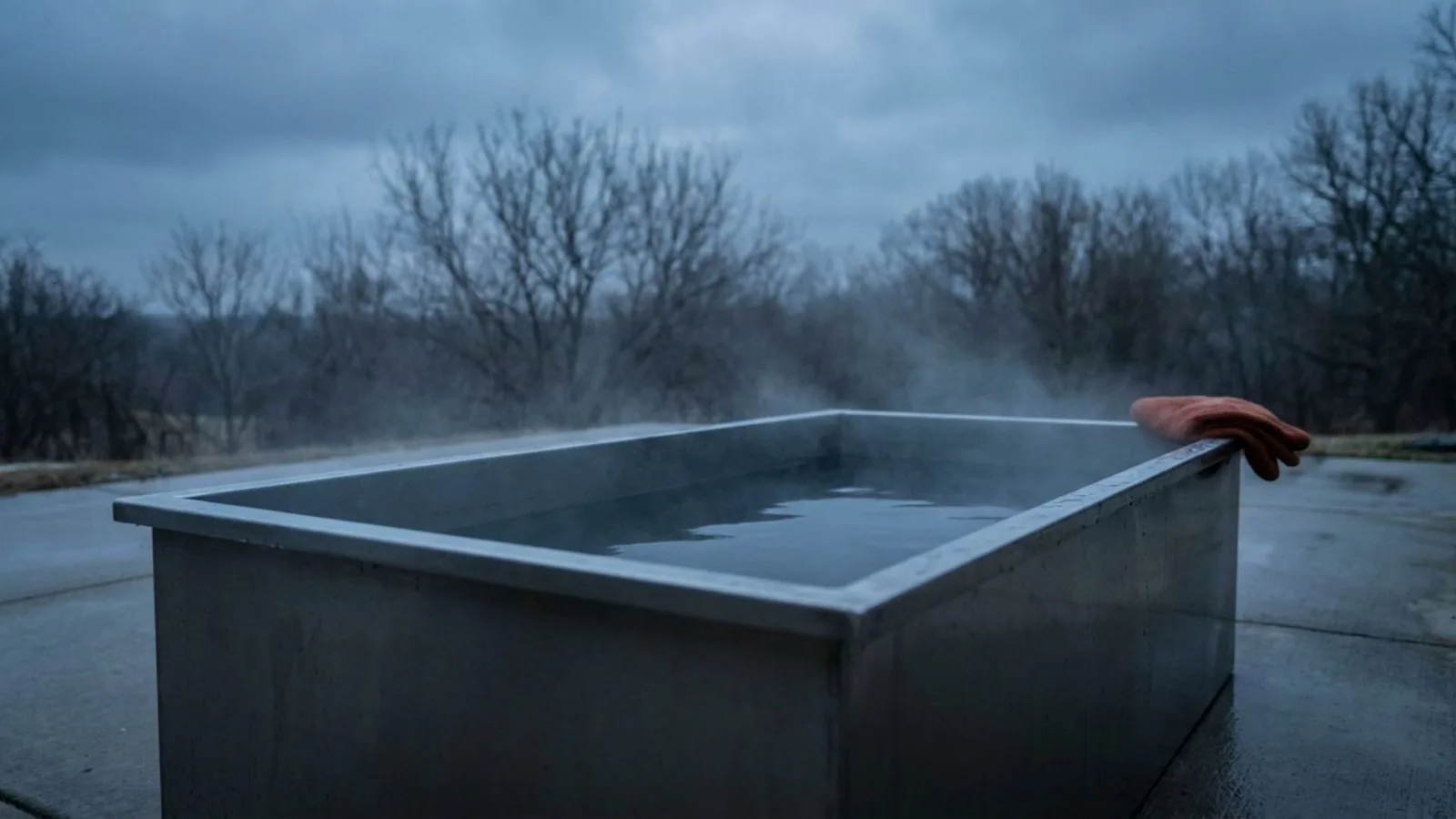
Cold plunging has a marketing problem. Half the internet says it cures everything. The other half says it's an expensive way to be miserable. Both are doing the same thing: hype dosing, pushing more cold, colder cold, and bigger claims than the research supports. The actual studies point to something simpler: a specific, modest dose of cold, taken a specific way, produces real and measurable effects. Outside that dose, you're mostly just cold.
This page is the whole protocol. Temperature, time, frequency, and how to progress from your first cold shower to a full practice. No tub required to start. If you want the reasoning and the studies behind each number, the science page walks through what holds up and what doesn't.
The Protocol in One Box
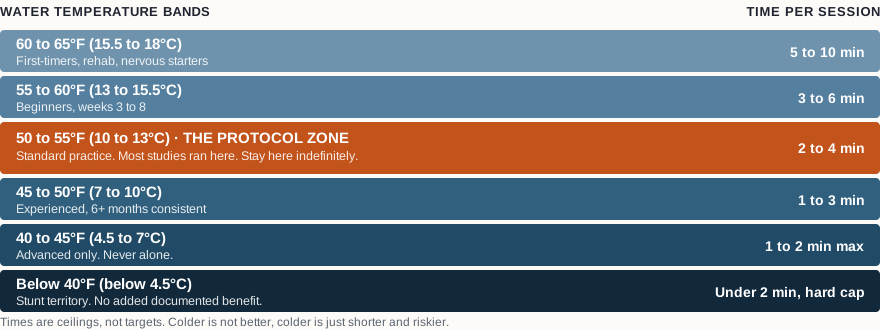
Temperature: 50 to 59°F (10 to 15°C). Beginners start at 55 to 60°F.
Time per session: 1 to 5 minutes. Never force it past 10.
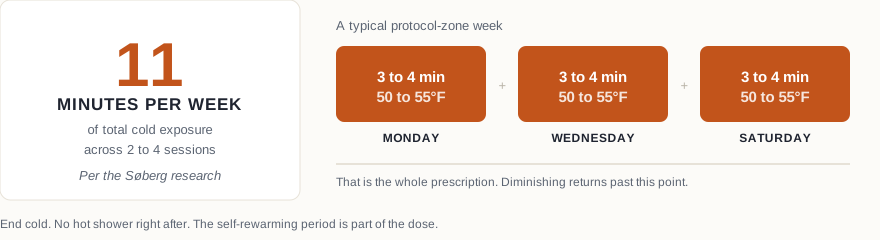
Weekly dose: about 11 total minutes of cold, split across 2 to 4 sessions.
The finish: end cold. No hot shower right after. Let your body rewarm itself.
The one hard rule: never plunge alone, and read the safety page before your first session. Cold water is a real stressor. That's the point, and also the risk.
Get the printable one-page protocol
Everything on this page on one sheet: temps, times, weekly dose, progression ladder, and the safety rules. Print it and stick it next to the tub.
Download the protocol PDFWhy These Numbers
The 11-minute weekly figure comes from the work of Susanna Søberg, whose research on winter swimmers found that roughly 11 minutes of cold exposure per week, split into 2 to 4 sessions, was enough to trigger the metabolic adaptations people are chasing: brown fat activation, improved insulin response, and a sustained rise in baseline dopamine. Andrew Huberman popularized the same target. The part most people miss is that the study found diminishing returns past that dose. Twenty minutes a week doesn't get you twice the benefit. It mostly gets you twice the shivering.
The temperature window of 50 to 59°F exists because that's where most of the actual studies were run. Colder water doesn't multiply the effect. It compresses the safe exposure time and raises the risk. The popular race to 39°F water is ego, not physiology.
The "end cold" rule is Søberg's too. Letting your body rewarm itself through shivering and brown fat activity is part of the adaptation. Stepping straight into a hot shower cuts the workout short, metabolically speaking. The exception is the deliberate use of heat and cold together, which is its own practice. We cover it in contrast therapy.
The Protocol by Level
Level 0: Cold showers (weeks 1 and 2)
You do not need a tub to start. End your normal shower with 30 seconds of fully cold water. Do that for a week. Week two, make it 60 to 90 seconds. Breathe slow and long through the gasp reflex instead of fighting it. When 90 seconds of cold shower feels boring, you're ready for immersion. The full ramp is on the first 30 days page.
Level 1: Beginner immersion (weeks 3 to 8)
- Temp: 55 to 60°F
- Time: 1 to 2 minutes
- Frequency: 2 to 3 sessions per week
- In the water: shoulders under, hands in or out, slow nasal breathing. The first 30 seconds are the worst 30 seconds. They are also most of the benefit trigger.
Level 2: Standard practice
- Temp: 50 to 55°F
- Time: 2 to 4 minutes
- Frequency: 3 to 4 sessions per week, totaling around 11 minutes
- This is the level the research supports. There is no trophy for going past it. Most people should live here indefinitely.
Level 3: Advanced
- Temp: 45 to 50°F
- Time: 1 to 3 minutes
- Below 45°F, exposure should be brief, supervised, and honest about being a mental challenge rather than a health upgrade. The temperature and time chart maps the full range.
When to Plunge
Morning is the default. The dopamine and norepinephrine rise lasts for hours, so cold in the morning is free alertness, and cold too close to bed can wreck sleep for the same reason. The big timing mistake is plunging right after lifting weights: a 2024 meta-analysis found that cold water immersion immediately after resistance training blunts muscle growth. If you lift, keep 4 to 6 hours between the gym and the water, or plunge on rest days. The full breakdown is on the timing page.
What You Need (and What You Don't)
For the first month: a shower. After that, the honest answer is anything that holds cold water, which is why a $120 insulated tub and a $9,990 connected plunge produce the same physiology. Where the money actually goes is convenience: a chiller means no ice runs and a consistent temperature, which means you'll actually keep doing it in August. We keep all gear talk one click away from the protocol, on its own pages:
- Best cold plunge tubs in 2026, from $120 to fully chilled
- Budget setups: stock tanks, the Cold Pod, and the chest freezer question
- Do you need a chiller? The ice math, with real numbers
- Ice Barrel vs Plunge, the two brands everyone asks about
- The accessories that matter (a $12 thermometer beats a $200 gadget)
The Part Nobody Puts in the Headline
Cold plunging is not a cure for anything. The strongest documented effects are acute: a large dopamine and norepinephrine rise, a few hours of elevated alertness and mood, and a growing body of evidence for reduced anxiety with regular practice. The metabolic effects are real but modest. The fat loss claims are mostly wishful math. And for muscle growth, badly timed cold is actively counterproductive. We keep an honest ledger of all of it on the science page, because a protocol you can trust matters more than a protocol that promises everything.
Frequently Asked Questions
- What temperature should a cold plunge be?
- 50 to 59°F (10 to 15°C) is where most of the research lives. Start at the warm end. Below 45°F is advanced territory and adds risk faster than benefit.
- How long should I stay in?
- 1 to 5 minutes per session. The weekly target is about 11 total minutes. Staying in until you're shaking uncontrollably is not the protocol, it's a safety failure.
- Is daily plunging better?
- It's fine for healthy people, but the research found diminishing returns past roughly 11 minutes a week. Consistency beats volume.
- Cold shower vs cold plunge: same thing?
- A cold shower is a real entry point and the right way to spend your first two weeks. Full immersion is a stronger stimulus because water pulls heat from the whole body at once. Start with showers, graduate to the tub.
- Should I plunge after lifting?
- No, not immediately, if size or strength gains matter to you. Wait 4 to 6 hours or use rest days. After cardio it's fine.
Start Here
If you're new: read the safety page first, then the first 30 days plan. If you're setting up at home, the budget setups page will save you several hundred dollars of impulse buying. And if you also run heat, sauna and cold together is the best version of both: contrast therapy, done properly.
Take the protocol with you
One printable sheet: temps, times, weekly dose, progression ladder, safety rules. No hype dosing, just the numbers.
Download the protocol PDF